By Rabbi Micah Greenland
NCSY International Director
Dear NCSY Family,
So much of Yom Kippur centers around the service of the Kohen Gadol in the Beis Hamikdash.
An entire chapter of Torah and an entire tractate of the Talmud are dedicated to the Yom Kippur service. The Kohen Gadol’s entry into the Kodesh HaKodashim, the sacrifices, and the intricate order of the Avodah were all central to the atonement of the entire Jewish people on Yom Kippur.
So how are we supposed to understand the power of Yom Kippur today, when we no longer have the Beis Hamikdash?
The Rambam (Hilchos Teshuva 1:3) writes that in our times, without a Beis Hamikdash, we have two tools at our disposable to atone for our sins: Teshuva (active repentance or return) and the day of Yom Kippur itself, which atones for those who repent (Kesef Mishna on the Rambam).
But this raises a question: If Teshuva can provide atonement any day of the year, and Yom Kippur provides atonement only for someone who has done Teshuva already what does Yom Kippur add?
Harav Yechezkel “Rav Chatzkel” Levenstein explains that we indeed have the opportunity to do Teshuva every day of the year. And if done correctly, that Teshuva atones for our sins.
Yom Kippur is different.
On Yom Kippur, we are “lifnei Hashem” capable of achieving a closeness to Hashem that is not possible in the same way during the rest of the year. Teshuva is still necessary, but even an incomplete or partial Teshuva can suffice, as it does not have to accomplish the entire job on its own. The day of Yom Kippur itself provides atonement.
In this respect, even a small effort on our part towards Teshuva is sufficient to allow Hashem to meet us the rest of the way on Yom Kippur and complete the job.
Over the past few years, we have been witness to a dramatic “Teshuva movement” among Jews throughout the world. Since October 7, 2023, many Jews who previously did not particularly identify as Jewish have begun proudly affiliating and connecting with their heritage.
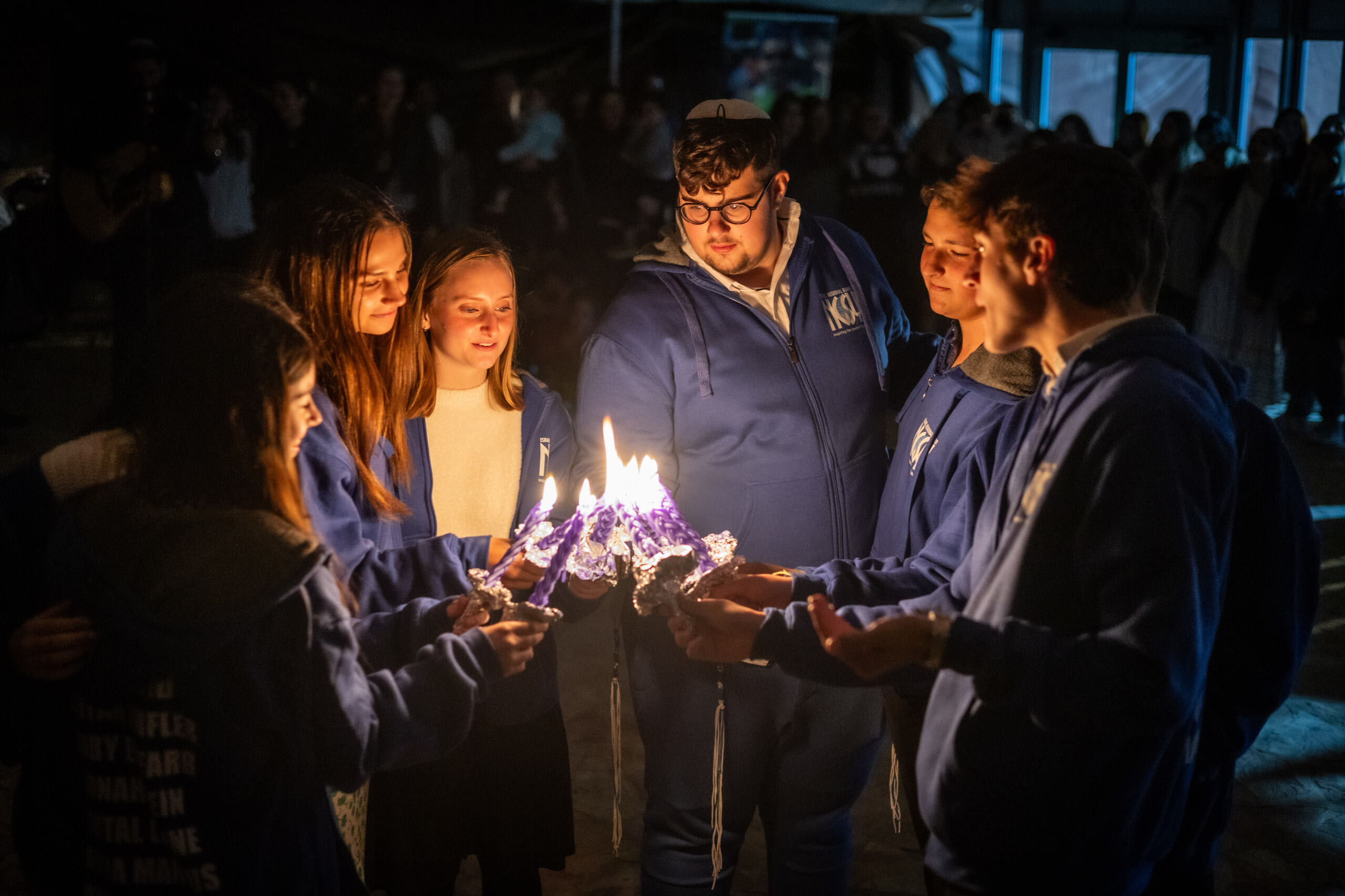
At NCSY, we have seen this in the form of an explosion of interest from public school students requesting extracurricular Jewish clubs in their high schools. Our number of Jewish Student Union clubs across North America have increased from just over 300 schools previously to well over 500 today, representing approximately 10,000 additional students. Throughout the Jewish community, we have seen similar expressions of a growing desire to connect.
Increased Jewish identification and a desire to belong may be the beginning of a much larger spiritual journey. But even that first step is incredibly significant.
And perhaps that is especially meaningful as we approach Yom Kippur. In light of Rav Chatzkel’s interpretation of the Rambam, we can appreciate the extraordinary significance of even an initial movement toward Teshuva. It may not yet mean adopting a life of full mitzvah observance, but it represents a meaningful step toward Hashem. And on Yom Kippur, Hashem meets us the rest of the way.
This awakening is one that we need to capitalize on following Yom Kippur. We may no longer have the Kohen Gadol performing the Avodah on behalf of the Jewish people, but we each have a responsibility to one another. By reaching out warmly to our fellow Jews, embracing each person’s individual journey, and helping them take their next step toward Hashem, we can build on the extraordinary Jewish awakening we are witnessing today.
NCSY is doing this work every day, and we strive in 5787 to be even more dedicated and effective. We hope you’ll be a part of it.
Gmar Chasima Tova. Wishing you and your family a powerful and transformative Yom Kippur.